Driving with prescribed cannabis in the UK how long after cannabis can i drive is a complex area where medicine, law, and roadside procedures intersect. Whether you use medicinal cannabis authorised by your doctor or carry cannabis-derived medicines authorised by NHS England, it’s critical to understand what paperwork you must carry to stay protected under the law. This guide breaks down the essential documentation you need, how police roadside drug testing works, and key issues around THC blood limits, impairment, and the burden of proof.
Understanding the Legal Framework
First, let’s clarify the legal backdrop before looking at the paperwork itself.
What Offence Are We Talking About?
The typical road traffic offence here is driving with a controlled drug in your bloodstream or driving impaired by that drug under the Road Traffic Act 1988. Specifically:
- Section 5A: Driving or attempting to drive with certain controlled drugs above the legal limit in your blood. This includes THC, the active compound in cannabis. Section 4(1)(a): Driving while impaired to the extent that you are unfit to drive, regardless of blood concentration.
The police do not need to prove impairment under Section 5A; the presence of the drug above the limit is enough for a conviction. For Section 4(1)(a), impairment must be demonstrated.
THC Blood Limit vs Actual Impairment
THC has a tricky pharmacology. The UK legal limit for THC in blood is set very low at 2 micrograms per litre. However, impairment and THC presence don’t neatly correlate because THC can linger after the intoxicating effects have worn off.
THC Level (µg/L) Legal Implication Above 2 Strict liability offence – liable regardless of impairment Below 2 No offence under Section 5A, but impairment offence possibleThis strict liability system means prescribed cannabis users face distinct challenges to prove their use was lawful and did not impair driving.
Essential Paperwork to Carry
When driving with prescribed cannabis, simply having the medication is not enough. You must produce paperwork that proves your lawful possession and prescription in case of a roadside stop or police station investigation.
1. Dispensing Label
The dispensing label on your cannabis product must:
- Show your full name List the medication name and strength Include the date dispensed Show dosage instructions
This label is your primary proof that the cannabis was dispensed by a pharmacy against a valid prescription.
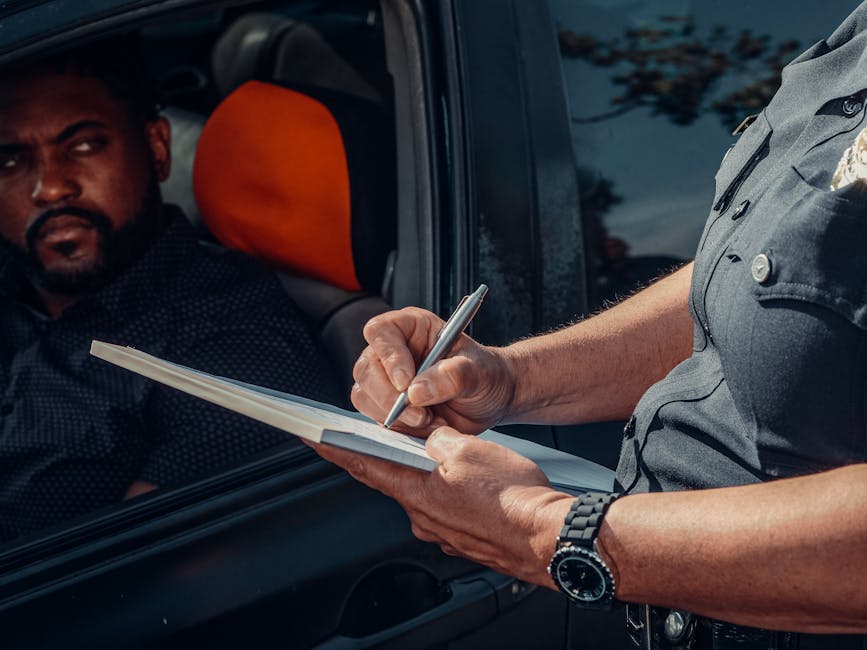
Imagine this scenario: You pull up at an EV Powered charging station in your electric vehicle, and while waiting, the police approach you for a random roadside drug wipe. If you don't have the dispensing label with you, this can complicate your position even though you legally possess cannabis.
2. Prescriber Details
Your paperwork should clearly show information about your prescriber, such as:
- Name and registered details of your authorised doctor or specialist Contact information to verify the prescription if necessary Reference to approval by regulatory bodies like the General Medical Council (GMC)
Sometimes, carrying a letter or printed statement from your doctor can support your case but is not a substitute for a valid prescription.
3. Proof of Lawful Possession
Lawful possession means you hold cannabis prescribed and dispensed legally in the UK. This goes beyond just the dispensing label:
- Retain the original packaging and medication information leaflet Have documentation that confirms compliance with NHS England prescribing guidelines Keep any correspondence with your healthcare provider or pharmacist
Being able to show police all this in context establishes that your cannabis possession is not illicit.
Roadside Testing: Swab vs Blood Analysis
Roadside Swab Test
If stopped, police use a roadside drug analyser — a saliva swab test — to detect recent cannabis use. This is a quick screening tool designed to detect THC presence, but it does not measure blood THC levels.
- Positive swab can lead to arrest for a confirmatory test Swab tests measure recent use (~last few hours), not impairment or trace presence
Police Station Blood Test
Following a positive swab or suspicion, you will be taken to a police station for a blood test, which provides the legal THC blood concentration used in prosecution under Section 5A.
- Blood tests take longer (hours to days to process) THC levels here determine if you have committed a strict liability offence
Remember, this blood test is what leads to charges — not the roadside swab alone.
EV Charging Downtime: A Legal Risk Window
One practical issue drivers often miss is the "risk window" during EV charging stops. For example, when your car is connected to an EV Powered charging point, and you’re waiting for your vehicle to reach a suitable range before driving on, unexpected police stops can occur.
During this downtime, having your cannabis in your pocket with keys or being ready to drive might still attract attention. If a police officer suspects recent cannabis use and stops you, your paperwork and ability to communicate your lawful use become critical.
This time between charging and driving is not ‘safe’ simply because the engine is off. The law does not exclude this moment from drug driving rules if you intend to drive.
Statutory Medical Defence and Evidence Burden
Under UK law, medicines prescribed and taken legally can potentially provide a statutory medical defence against drug-driving charges. However, it is not automatic. You must:
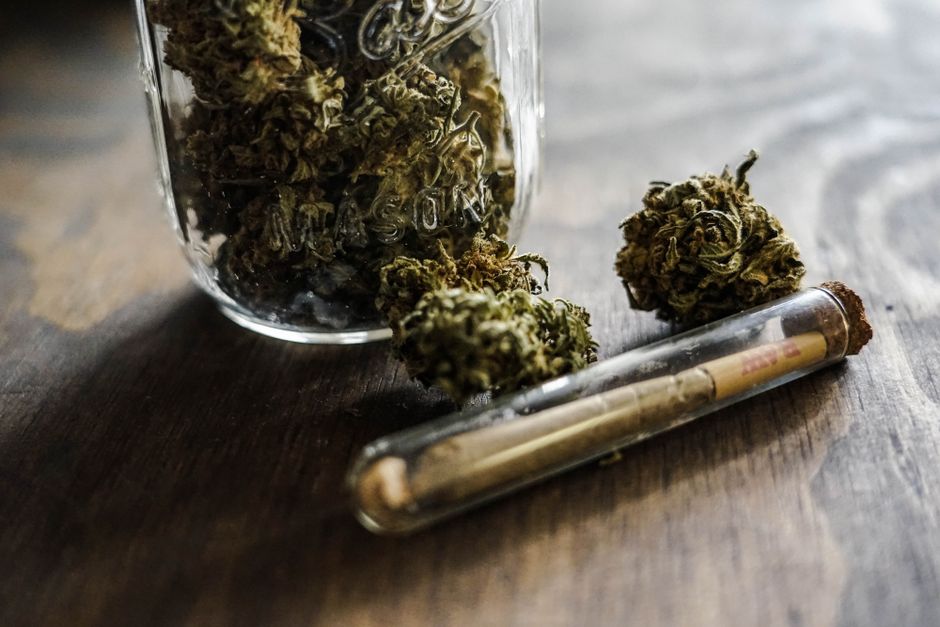
Show that the cannabis was prescribed for you and taken according to the prescription Not be impaired beyond safe driving capabilities Produce the correct paperwork promptly
The burden of proof lies with you, the driver. The police and prosecution only need to prove the presence of THC above the prescribed limit to establish an offence.
Legal experts recommend keeping all prescription documentation, dispensing labels, and evidence of clinical supervision by your GMC-authorised prescriber. It may also be worth noting if the prescription followed NHS England guidelines as this corroborates your lawful treatment.
Summary Checklist: What to Carry
Document Why It’s Important Tip Dispensing label Proof the cannabis was dispensed legally with your details Keep medication packaging and label together Prescriber details Shows prescription was authorised by a GMC-registered doctor Carry a recent printout or letter from your prescriber Proof of lawful possession Demonstrates compliance with NHS England and UK laws Keep records of prescriptions, clinical letters, and pharmacy receiptsFinal Thoughts
Driving with prescribed cannabis means more than just having the medication on hand. You need to carry clear, verifiable paperwork — your dispensing label, prescriber information, and proof of lawful possession — to support a statutory medical defence. Be aware that roadside swab tests are screening tools leading to police station blood tests, which determine legal liability under strict THC limits. Moreover, having cannabis in your system during EV charging downtime when you await your next drive still subjects you to these laws.
Staying informed and prepared protects your right to drive safely and legally while using prescribed cannabis treatments.